
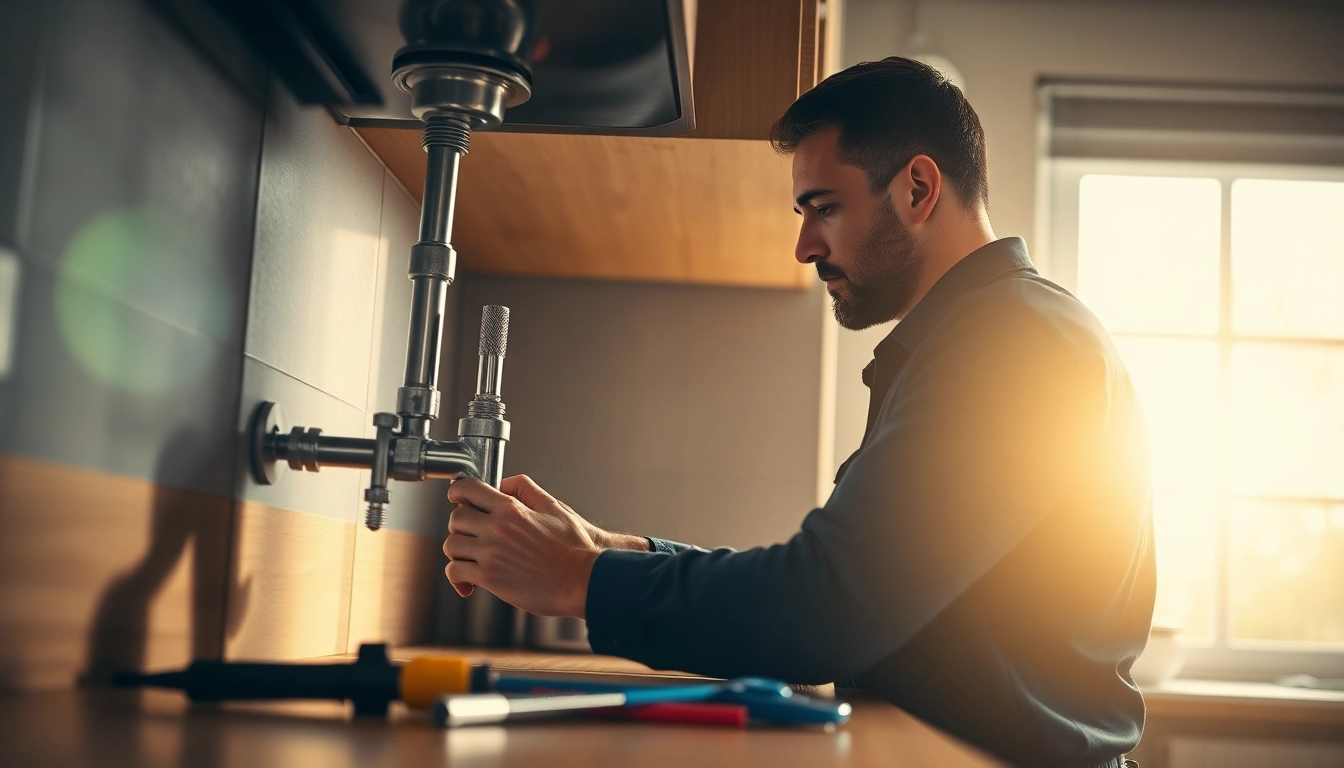
Understanding the Role of a Plumber
What Does a Plumber Do?
Plumbers play a crucial role in the maintenance and functionality of residential and commercial buildings. Their primary responsibility is to install, repair, and maintain systems that transport water, gas, and waste. This includes everything from ensuring that your taps do not leak to managing complex sewage systems. Plumbers also handle the installation of pipes, valves, fittings, and fixtures connected to heating, cooling, and sanitation systems.
Key Skills and Qualifications
To become a professional plumber, one must possess a variety of skills and qualifications. These typically include:
- Technical Skills: Proficient in reading blueprints and understanding plumbing codes.
- Problem-Solving: Ability to diagnose issues quickly and formulate effective solutions.
- Physical Stamina: Plumbers often work in tight spaces and on their feet for long periods.
- Communication: Must explain complex issues in a way that is understandable to clients.
- Licensing: Many regions require plumbers to obtain a license, indicating they have undergone the necessary education and training.
Different Types of Plumbing Services
Plumbing services can be categorized into several areas, including:
- Residential Plumbing: Involves work in homes, from installations to repairs.
- Commercial Plumbing: More extensive projects for businesses and industries.
- Emergency Plumbing: Services available 24/7 to handle urgent issues such as leaks and clogs.
- Maintenance Services: Regular inspections and maintenance to prevent future problems.
Why You Need a Professional Plumber
Benefits of Hiring a Certified Plumber
Engaging a certified plumber brings numerous benefits, such as assurance of quality work, adherence to local codes, and access to specialized knowledge. Certified professionals are trained to handle various plumbing scenarios and are often backed by warranties for their services.
Common Plumbing Issues Professionals Handle
Professional plumbers can efficiently manage complex issues, including:
- Clogged Drains: Whether it’s a kitchen sink or a bathroom, professionals can clear blockages quickly.
- Leaky Pipes: Fixing leaks prevents water damage and mold growth.
- Gas Leaks: They have the tools and training to manage gas lines safely.
- Water Heater Issues: From repairs to installations, they ensure efficient water heating.
Cost-Effectiveness of Professional Services
Hiring a professional may seem costly upfront, but in the long run, it provides savings. Professionals diagnose issues correctly, preventing costly repairs from DIY mistakes. Additionally, regular maintenance can prolong the life of your plumbing systems, saving you money on major replacements over time.
How to Choose the Right Plumber
Researching Local Plumbing Services
When looking for plumbing services, start by researching local providers. Online directories and community boards often provide valuable insights into available services.
Checking Credentials and Reviews
Always check a plumber’s credentials, including licenses and certifications. Reading reviews from previous clients can provide insight into their work quality and customer service.
Asking the Right Questions
During your search, consider asking potential plumbers questions such as:
- What is your experience with the specific issue I have?
- Can you provide references from past clients?
- What are your rates and payment terms?
- Do you guarantee your work?
What to Expect During a Plumbing Service Call
Initial Consultation Process
During the initial consultation, the plumber assesses the situation and discusses your needs. They will evaluate the plumbing issues and explain their diagnostic approach.
Types of Equipment Plumbers Use
Plumbers utilize specialized tools and equipment, including:
- Pipe Wrenches: Essential for gripping and turning pipes.
- Drain Augers: Helpful for clearing stubborn clogs.
- Pressure Gauges: Used for assessing water pressure in pipes.
- CCTV Cameras: Allow plumbers to inspect pipes internally without invasive procedures.
Understanding Estimates and Pricing
Once the assessment is complete, the plumber will provide an estimate. This should include a breakdown of costs for materials and labor, offering transparency on the anticipated final fee.
Maintaining Your Plumbing System
Regular Inspections and Maintenance Tips
To keep your plumbing in top condition, consider scheduling regular inspections. Homeowners can also perform simple maintenance tasks such as flushing water heaters and checking for leaks.
Signs You Need to Call a Plumber
It’s important to be aware of the signs that indicate you need to call a professional, such as:
- Unexplained water bills
- Slow drains
- Frequent clogs
- Puddles of water around fixtures
DIY Tips for Simple Plumbing Issues
For minor problems, homeowners can try DIY fixes. For example, using a plunger for minor clogs or tightening loose fittings can often resolve small issues without needing a professional.
FAQs About Hiring a Plumber
What should I do if I have a plumbing emergency?
If you experience a plumbing emergency, such as a burst pipe, immediately turn off the water supply and call a professional plumber.
How much does it cost to hire a plumber?
The cost of hiring a plumber varies based on location, complexity of the issue, and the plumber’s rates. Always request an estimate before work begins.
Can I fix plumbing issues myself?
While minor issues can be handled DIY, complex problems should be left to professionals to avoid further damage or safety risks.
How do I maintain my plumbing system?
Regular inspections, checking for leaks, and ensuring that drains are clear can help maintain your plumbing system effectively.
When should I schedule regular plumbing maintenance?
It’s wise to schedule maintenance at least once a year to check for potential issues before they become major problems.
For further assistance or to find a knowledgeable plumber, consider reaching out to local services that can help keep your plumbing in outstanding condition.