
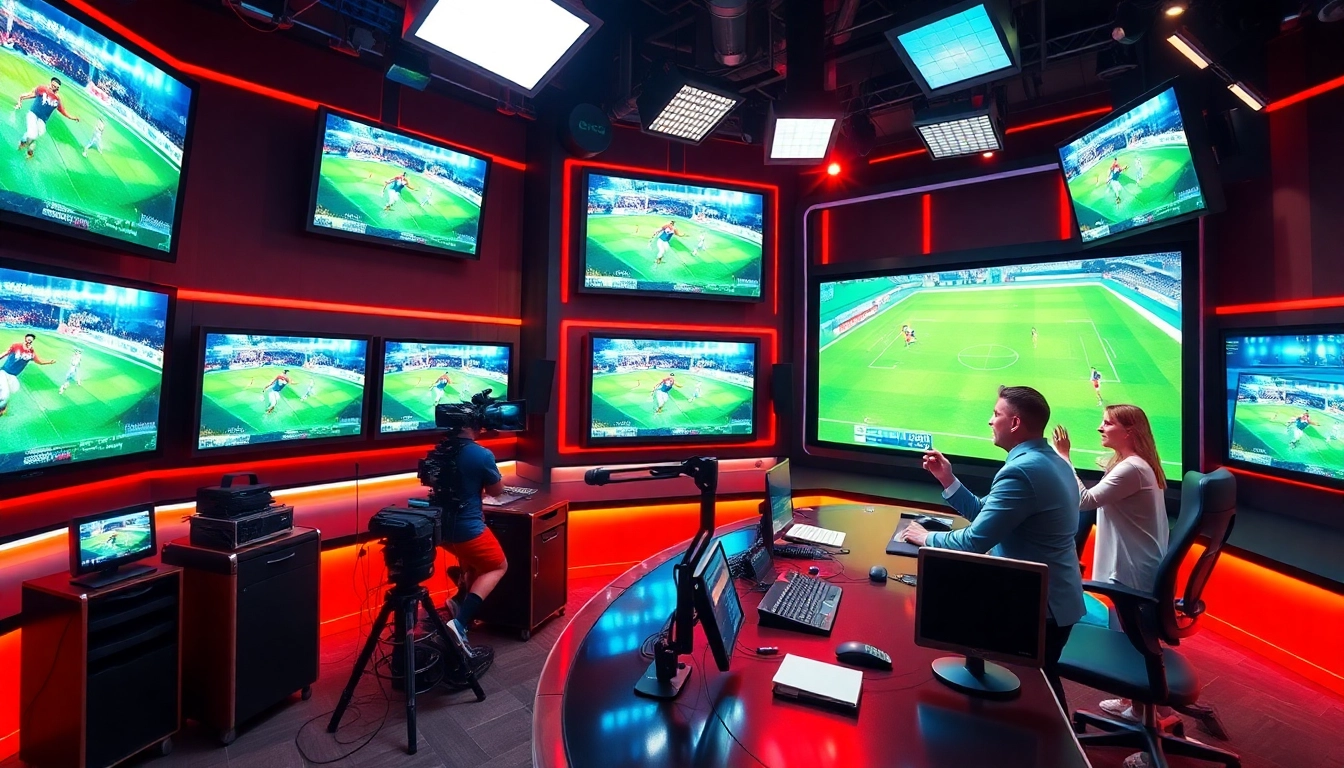
Understanding the World of Sports Broadcasting
What is Sports Broadcasting?
Sports broadcasting refers to the dissemination of sports content via various media channels, including television, radio, and online platforms. The primary objective is to provide coverage of sporting events, deliver updates, and engage fans with commentary and analysis. This industry unites millions of viewers worldwide, creating shared experiences and amplifying the excitement of live sports. A key player in this ecosystem is the role of announcers, analysts, and professionals who bring energy and insight to the broadcasts. With the rise of digital platforms, the scope of Sports Broadcasting has expanded dramatically, leading to diverse ways of accessing and experiencing sports content.
The Evolution of Sports Broadcasting
From its inception in the early 20th century with radio broadcasts of sports events to today's high-definition streaming of global tournaments, sports broadcasting has undergone tremendous transformation. Initially, the focus was on reaching as many listeners as possible through radio waves. As technology advanced, television became the primary medium, allowing viewers to experience games visually. The 1980s saw the introduction of cable channels dedicated exclusively to sports, providing fans with continuous coverage. Today's landscape is characterized by the integration of social media, mobile applications, and on-demand content, allowing for unprecedented access to games and highlights anytime, anywhere.
Different Types of Sports Broadcasting
Sports broadcasting can be categorized into several types, each offering different viewer experiences and content delivery methods. These include:
- Live Broadcasts: Real-time coverage of games, providing commentary and updates as events unfold.
- Recorded Highlights: Edited segments showcasing key moments from games, often used for news segments or social media updates.
- Analysis Shows: Programs dedicated to breaking down game strategies, player performances, and upcoming matchups.
- Podcasts: Audio programs featuring discussions around sports topics, interviews with athletes, and analysis of games.
- Streaming Services: Platforms offering live sports broadcasts on demand, catering to changing viewer preferences.
Key Elements of Successful Sports Broadcasting
Essential Equipment for Sports Broadcasting
To deliver high-quality sports broadcasts, a variety of equipment is essential. Key tools include:
- Cameras: High-definition cameras are crucial for capturing live action, including multiple angles for enhanced viewer experience.
- Microphones: Quality microphones are necessary for on-field interviews and capturing commentary free of background noise.
- Broadcasting Software: This software allows for the integration of graphics, instant replays, and seamless transitions between different segments.
- Lighting: Adequate lighting is important, especially for indoor sports, to ensure every moment is visible to viewers.
- Streaming Equipment: For online broadcasts, robust encoding equipment and reliable internet connections are vital.
Utilizing Effective Communication Techniques
Effective communication lies at the heart of successful sports broadcasting. Broadcasters must engage with their audience by:
- Clear and Concise Language: Utilizing straightforward language ensures that all viewers, regardless of their sports knowledge, can follow along.
- Dynamic Presentation: Using varied tone and pacing keeps the audience engaged, especially during moments of high tension or excitement.
- Storytelling: Weaving narratives around games gives context to the event, allowing viewers to connect emotionally and intellectually with what they are watching.
- Interactive Engagement: Encouraging audience participation through social media platforms can enhance the viewing experience, creating a community around the broadcast.
Engaging Your Audience in Sports Broadcasting
Engagement is crucial for retaining and expanding a sports audience. Strategies for enhancing viewer engagement include:
- Involving Experts: Bringing in former athletes or analysts can provide unique insights and bolster credibility.
- Fan Interaction: Utilizing social media to ask for fan opinions, poll questions, or live reactions during broadcasts creates an interactive space.
- Visual and Graphic Elements: Integrating infographics, animations, and statistics during broadcasts enhances comprehension and makes information digestible.
- Personalization: Offering viewers the option to customize their viewing experience—such as choosing camera angles—can increase satisfaction.
Challenges in Sports Broadcasting
Technical Difficulties and How to Overcome Them
Technical difficulties can disrupt broadcasts and impact the viewer experience. Common challenges include signal loss, equipment malfunction, and software glitches. To mitigate these issues:
- Thorough Preparation: Conducting comprehensive equipment checks and rehearsals can help identify potential issues before going live.
- Backup Systems: Having backup equipment and alternative streaming options ready ensures continuity during technical difficulties.
- Trained Personnel: Employing skilled technicians who can quickly troubleshoot problems is essential for smooth broadcasting.
Staying Updated with Rapid Changes in Technology
The sports broadcasting landscape is continuously evolving due to advancements in technology. To keep pace:
- Continuous Learning: Broadcasters should regularly attend training sessions and industry seminars to stay updated on new trends and technologies.
- Partnerships with Tech Companies: Collaborating with tech firms can provide broadcasters access to the latest tools and innovations.
- Pilot Testing New Tools: Implementing new technology in a trial capacity can help understand its effectiveness before full-scale adoption.
Managing Audience Expectations and Feedback
With the increase in options for consuming sports content, managing audience expectations is crucial. Strategies include:
- Setting Clear Expectations: Before events, communicate what viewers can expect regarding coverage and timing.
- Responsive Feedback Systems: Establishing mechanisms for audience feedback can help identify areas for improvement.
- Transparency: Keeping viewers informed about any issues that may impact coverage fosters trust and understanding.
Current Trends in Sports Broadcasting
The Impact of Social Media on Broadcasting
Social media has profoundly impacted how sports are broadcasted and consumed. Key trends include:
- Real-Time Interaction: Broadcasters use social media to engage with fans during live events, inviting them to share opinions or questions.
- Clip Sharing: Short video clips of highlights are highly shareable, helping to promote events and create buzz.
- Personalized Content: Platforms allow for niche content tailored to specific audience segments, enhancing viewer loyalty.
Importance of Digital Platforms in Sports Broadcasting
Digital platforms have transformed sports broadcasting, providing unprecedented access and flexibility. Benefits of these platforms include:
- On-Demand Viewing: Audiences can watch games and highlights whenever they choose, catering to busy lifestyles.
- Multimedia Integration: Various content forms, such as podcasts and articles, can be bundled with broadcasts, enhancing viewer enrichment.
- Global Reach: Digital platforms enable broadcasters to reach international audiences effectively, broadening their viewership.
Future Developments in Sports Broadcasting
The future of sports broadcasting will likely revolve around greater interactivity and personalization. Key developments may include:
- Augmented Reality (AR) Experiences: AR can provide viewers with immersive interactions during live broadcasts, changing how they engage with events.
- AI and Machine Learning: These technologies can analyze viewer preferences, delivering customized content and recommendations.
- Blockchain Technology: The use of blockchain may impact rights management and content security, streamlining operations within the industry.
Measuring Success in Sports Broadcasting
Key Performance Indicators to Monitor
To evaluate the success of broadcasting efforts, it is essential to monitor several key performance indicators (KPIs):
- Viewership Numbers: Tracking the number of viewers during live broadcasts helps assess reach and popularity.
- Engagement Rates: Monitoring interactions on social media and other platforms can gauge audience involvement.
- Average Watch Time: Understanding how long viewers stay engaged can offer insights into content effectiveness.
Analyzing Viewership Data and Feedback
Analyzing viewership data is critical for improvement. Steps include:
- Data Collection: Use analytical tools to gather data on audience demographics, preferences, and behaviors.
- Feedback Analysis: Regularly review audience feedback to identify strengths and areas needing improvement.
- Benchmarking: Compare performance against industry standards to evaluate broadcasting effectiveness.
Improving Future Broadcasts Based on Metrics
Using insights gained from metrics can drive improvements in future broadcasts. Strategies include:
- Content Optimization: Adjust programming content based on viewer interests and notably engaging segments.
- Innovative Formats: Experiment with new broadcasting styles or formats that resonate best with target audiences.
- Iterative Feedback Loops: Develop ongoing cycles of feedback and adjustment to continuously enhance the quality of broadcasts.
FAQs
What is the primary role of sports broadcasters?
The primary role of sports broadcasters is to deliver live sports events to audiences while providing commentary, analysis, and updates.
How has technology influenced sports broadcasting?
Technology has enhanced sports broadcasting through high-definition video, streaming services, and interactive engagement with viewers.
What challenges do sports broadcasters face?
Broadcasters face challenges such as technical difficulties, rapidly changing technology, and managing audience expectations and feedback.
How can sports broadcasts engage audiences effectively?
Effective engagement can be achieved through interactive content, expert involvement, and leveraging social media platforms for feedback.
What are key metrics for measuring broadcasting success?
Key metrics include viewership numbers, engagement rates, and average watch time, providing insights into audience interaction and preferences.