Understanding the Role and Skills of a Carpenter
What is a Carpenter?
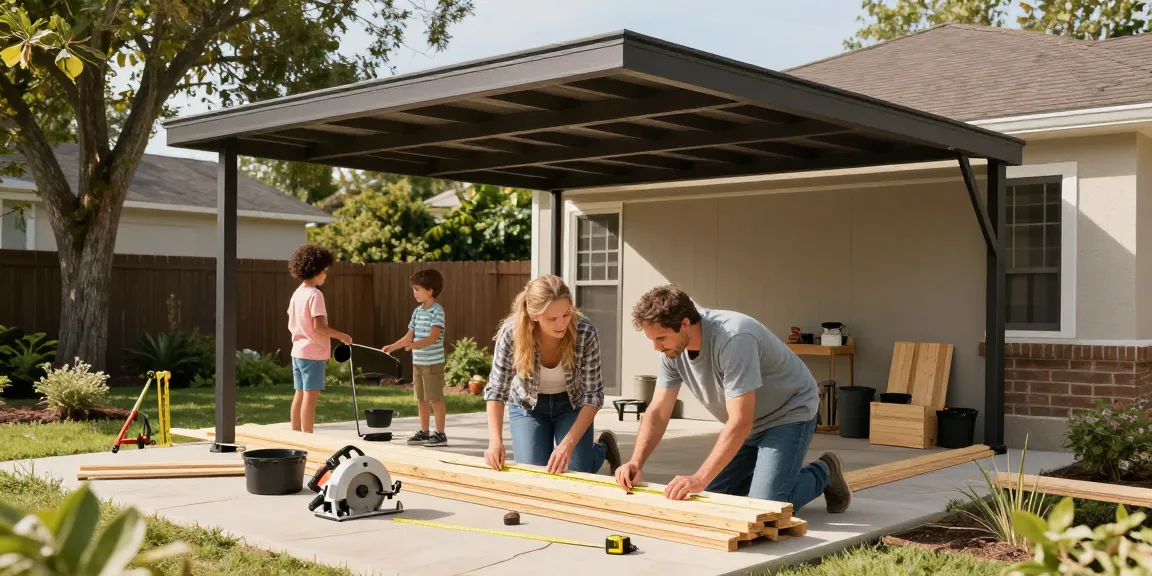
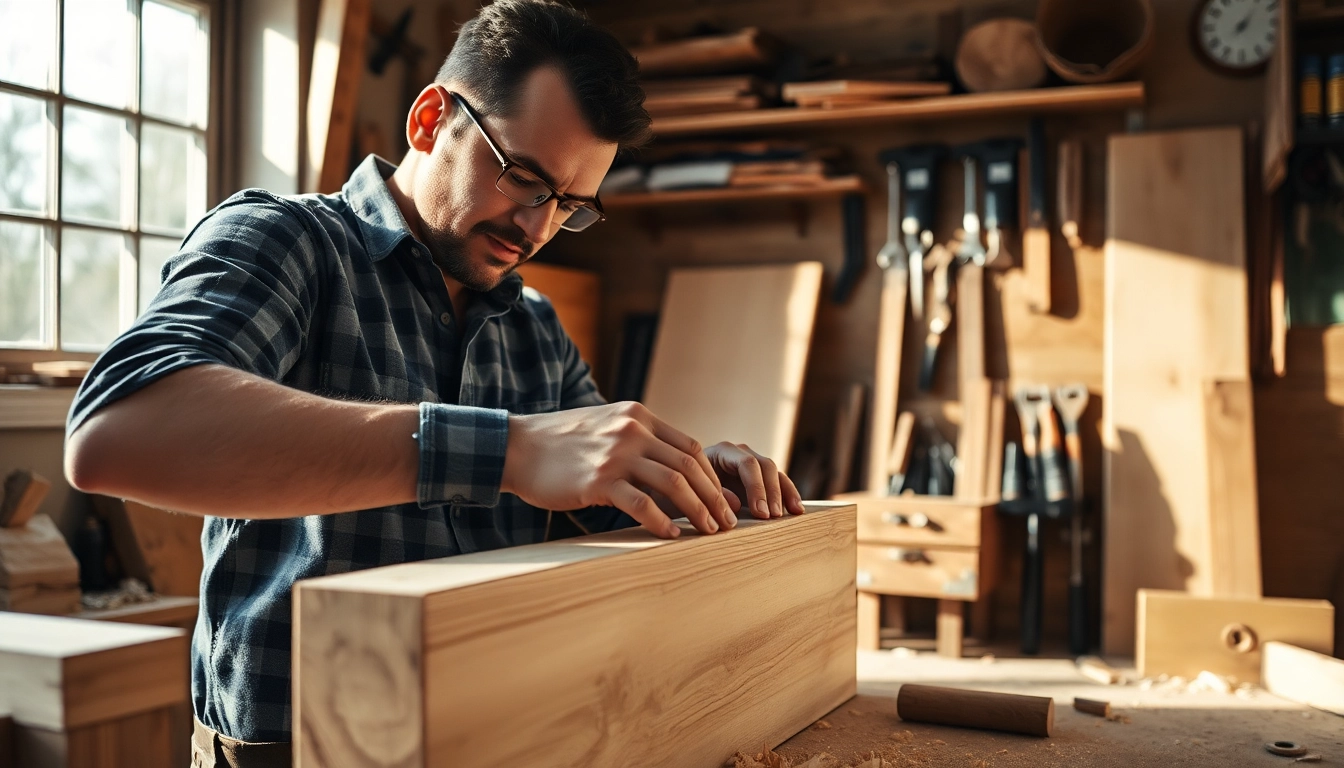
A carpenter is a skilled artisan who works with wood and other materials to build, install, and repair structures and fixtures. Their expertise encompasses various tasks, including framing walls, constructing cabinets, creating furniture, and performing finishing work. With a blend of technical skills and artistic vision, carpenters contribute significantly to construction projects, making them essential in both residential and commercial settings. A well-trained carpenter is often seen as the backbone of the building industry, adding personal touches and structural integrity to every design they create.
Essential Skills for Aspiring Carpenters
To excel in carpentry, aspiring carpenters need to develop a diverse toolkit comprising practical skills, theoretical knowledge, and personal attributes. Here are some essential skills every carpenter should cultivate:
- Measurement and Calculation: Accurately measuring materials is crucial for successful carpentry. Carpenters must be adept in reading blueprints and ensuring the correct dimensions.
- Hand-Eye Coordination: Many carpentry tasks require fine motor skills and precise control, including cutting and joining materials.
- Problem-Solving Skills: Every project presents unique challenges. Effective carpenters can think critically and develop creative solutions to obstacles that arise during construction.
- Physical Stamina: Carpentry is often physically demanding, necessitating strength and endurance to lift heavy materials and work in various environments.
- Attention to Detail: The quality of a carpenter's work can hinge on meticulous attention to detail, affecting both functionality and aesthetics.
The Types of Carpenters and Their Specializations
The field of carpentry is vast, with several types of carpenters specializing in different aspects of the trade. Here are the main categories:
- Rough Carpenters: Focus on constructing the frame or structure of buildings, including walls, roofs, and flooring. They primarily work with timber and structural materials.
- Finish Carpenters: Specialize in detailed and aesthetically pleasing work, such as installing cabinetry, molding, and trim.
- Cabinetmakers: Focus on crafting custom furniture and storage solutions, requiring advanced woodworking skills and design expertise.
- Form Carpenters: Shape the forms used to hold concrete during construction, crucial in structures like sidewalks and foundations.
- Set Carpenters: Work in the entertainment industry, building and installing sets for theater productions, television, and film.
Tools Every Carpenter Should Have
Basic Tools for Beginners
Starting out as a carpenter requires a fundamental set of tools that facilitate the basic tasks. Here is a list of vital tools for beginners:
- Measuring Tape: Essential for accurate measurements.
- Square: Used for checking angles and ensuring straight cuts.
- Saw: A handsaw is sufficient for most beginner projects, but a circular saw is a valuable upgrade.
- Hammer: A claw hammer is essential for driving nails and assembling frames.
- Screwdrivers: Both flathead and Phillips screwdrivers are necessary for fastening work.
- Level: Ensures that surfaces are straight and level, critical in construction.
Advanced Tools for Professional Carpenters
As carpenters develop their skills, they often invest in more advanced tools that allow for greater efficiency and precision. Some of these include:
- Table Saw: Ideal for making long, straight cuts in lumber.
- Router: Used for hollowing out areas in wood, perfect for edge profiling and decorative edges.
- Chisels: Essential for detailed work, allowing for the creation of fine joints and intricate designs.
- Miter Saw: A power saw great for angled and cross-cutting, especially in trim work.
- Nail Gun: Speeds up the process of driving nails, enhancing productivity on larger projects.
Maintaining Your Carpenter Tools for Longevity
Proper maintenance of tools is imperative in the carpentry industry. Here are some key practices to ensure your tools remain in top condition:
- Regular Cleaning: Keep tools free from dust and debris that can cause damage.
- Proper Storage: Store tools in a dry and secure place to prevent rust and damage.
- Sharpening Blades: Regularly sharpen saws and chisels for optimal performance.
- Oil Moving Parts: For power tools, lubricate moving parts to ensure smooth operation.
- Check for Wear: Inspect tools frequently for signs of wear or damage and replace if necessary.
Key Techniques for Successful Carpentry
Measurement and Precision: The Carpenter’s Foundation
Successful carpentry starts with accurate measurement and precise execution. Mastery of this foundational skill involves:
- Understanding Measurement Units: Familiarity with both metric and imperial systems ensures versatility.
- Using Quality Measuring Tools: Invest in reliable tools like folding rules and laser measures to enhance accuracy.
- Practicing Calculation: Develop fast mental math skills to quickly assess material needs and quantities.
Joinery Techniques: Connecting Pieces Like a Pro
Joinery techniques determine how well two pieces of wood bond together. Key techniques include:
- Dowel Joints: Use wooden dowels to align two pieces of wood with perfect precision.
- Mortise and Tenon: This strong jointing technique is fundamental in frame construction.
- Lap Joints: Overlapping two pieces of wood helps in joining sections that require strength.
- Biscuit Joints: Small, oval-shaped "biscuits" are used to connect two pieces of wood seamlessly.
Finishing Techniques for a Polished Look
Finishes can significantly affect the appearance and longevity of a wood project. Effective finishing techniques include:
- Sanding: Always sand wood surfaces to a smooth finish before applying any treatment or paint.
- Staining: Enhances the grain of the wood and adds color for aesthetics.
- Sealing: Use varnish or lacquer to protect the wood from moisture and wear.
- Polishing: A final polish gives a lustrous shine and can enhance durability.
Carpenter Projects for All Skill Levels
Beginner Projects: Building Your First Item
Starting with simple projects helps beginners build confidence and experience. Promising beginner projects include:
- Birdhouse: A straightforward, small project that introduces basic cuts and joinery.
- Simple Shelf: This project tests your ability to measure, cut, and install materials.
- Wooden Planter Box: A decorative item that allows for experimentation with designs and finishes.
Intermediate Projects: Taking Your Skills Further
Once comfortable with the basics, aspiring carpenters can tackle more complex projects:
- Dining Table: This project requires precise measurements and the incorporation of joinery techniques.
- Bookshelf: Symmetrical designs will challenge your ability to create balanced structures.
- Coffee Table: Combine creativity with functional design for an aesthetically pleasing centerpiece.
Advanced Projects: Custom Designs and Creations
For seasoned carpenters, custom projects provide a chance to showcase advanced skills:
- Custom Cabinetry: Building tailored shelving and storage solutions requires a high level of craftsmanship.
- Outdoor Furniture: Designing weather-resistant furniture involves understanding finishing techniques and material selection.
- Complex Woodworking Art: Creating bespoke decorative pieces that blend form and function enhances artistry in woodworking.
Finding Success as a Carpenter
Building a Portfolio that Stands Out
A well-curated portfolio is vital for showcasing a carpenter's work to potential clients. Include high-quality images of projects, detailed descriptions, and any unique techniques used. Ensure it reflects your style and skill level and always update it with recent work to keep it fresh.
Navigating Client Relationships and Communication
Effective communication with clients is essential for a successful carpentry career. Be transparent about timelines, costs, and project details. Listening to their needs and feedback can lead to better relationships and repeat business.
Marketing Yourself as a Skilled Carpenter
In today’s digital age, effectively marketing your skills is crucial. Consider creating a personal website or social media profiles to highlight your projects. Utilize word-of-mouth referrals, attend local events, and network within the community to build your brand.
FAQs
1. What qualifications do I need to become a carpenter?
While formal qualifications aren't mandatory, apprenticeships or vocational training can be beneficial for gaining essential skills and certifications.
2. What's the difference between a carpenter and a woodworker?
Carpenters typically focus on structural elements, while woodworkers engage in artistic wood projects, often creating furniture or crafts.
3. How long does it take to become a skilled carpenter?
Training often takes 3-4 years through apprenticeships, but skill development continues throughout your career with practical experience.
4. What safety equipment should a carpenter always use?
Essential safety gear includes goggles, gloves, ear protection, and sturdy footwear to minimize workplace hazards.
5. How can I price my carpenter services?
Consider factors like material costs, labor time, project complexity, and local market rates when pricing your services to ensure fairness and competitiveness.